This is the translation of the interview with Sergii Melnitchenko
that I recorded on July 27, 2026, for Artribune.
It was published in Italian on August 16, 2026.
This is more than an interview for me. Perhaps it is more than an interview altogether. I approach projects as a writer and researcher, trying to understand how they work, where they belong, and what kind of language they produce. Frontline Rolls is not that simple to dissect or assign to a category, maybe because it really pulls the right strings. Sharing it feels a little like taking a knife and opening my chest to show you what I have been carrying inside for all these years.
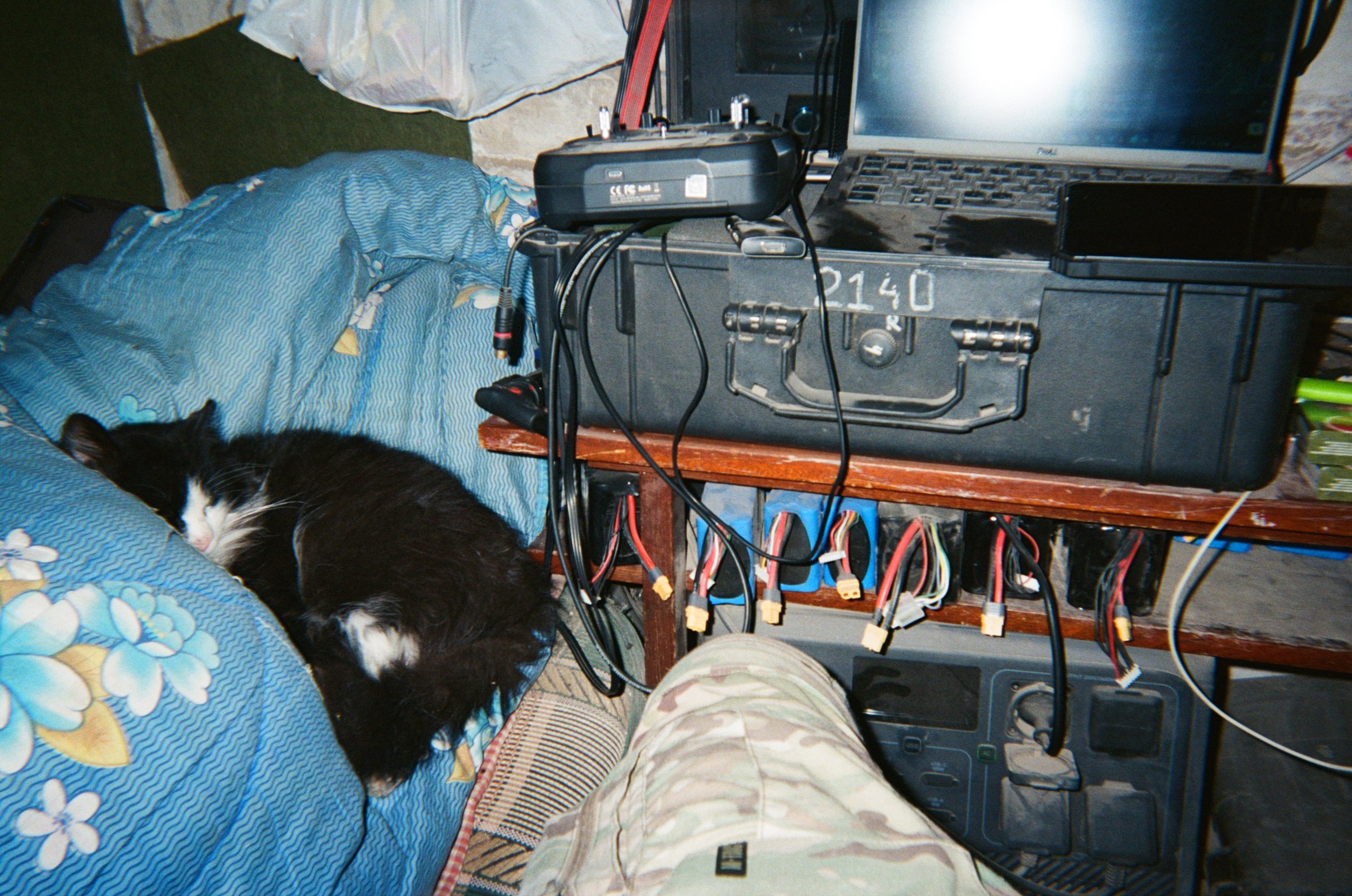
I carry the faces of people I love who spend months in trenches and names of their cats. I carry photographs of apricots in Donbas sent to me by a friend. I carry their stories, sometimes ordinary, sometimes absurdly funny, often tragic. Small objects, jokes, photographs. And this is the world I recognise in Sergii Melnitchenko's Frontline Rolls.
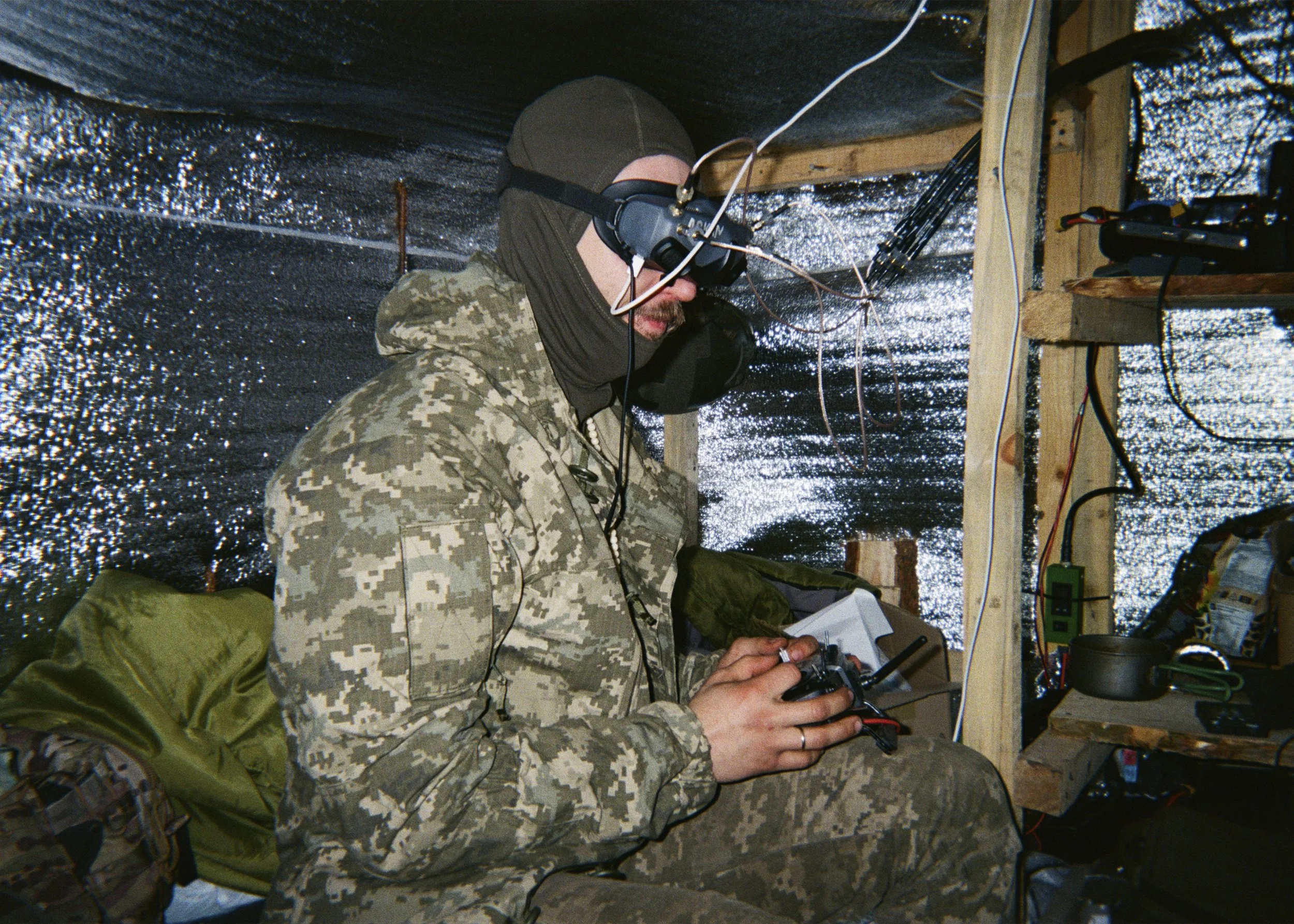
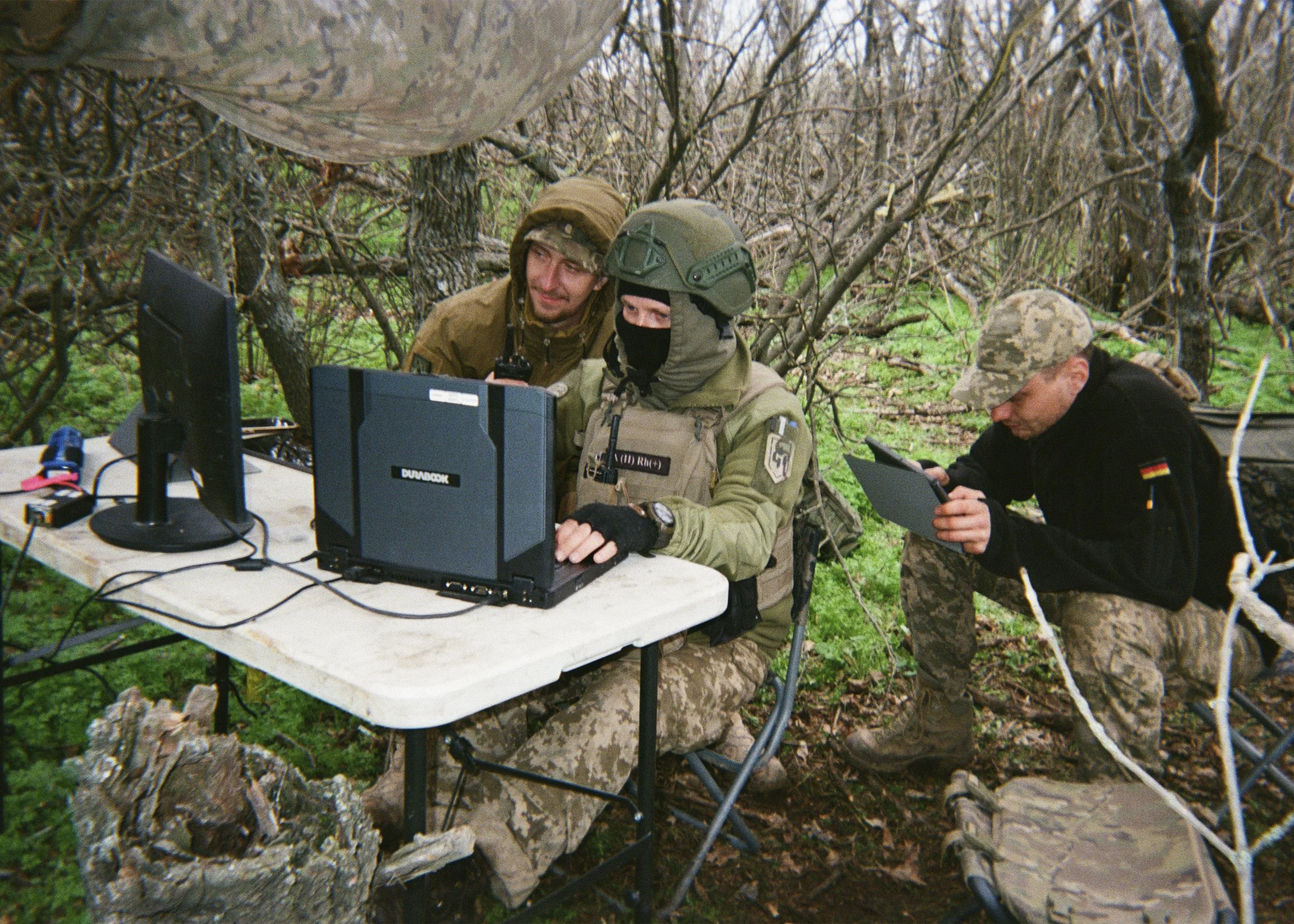
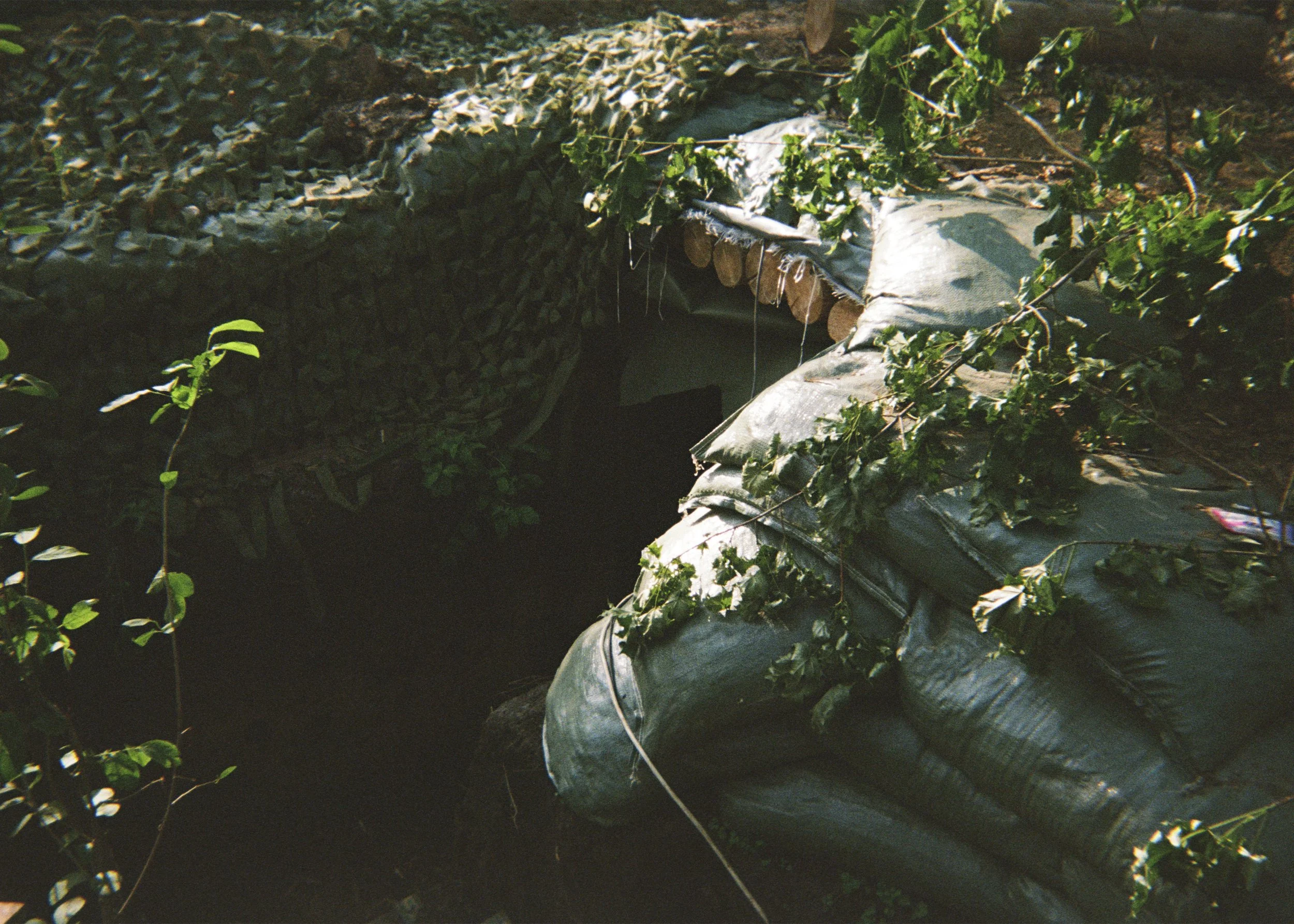
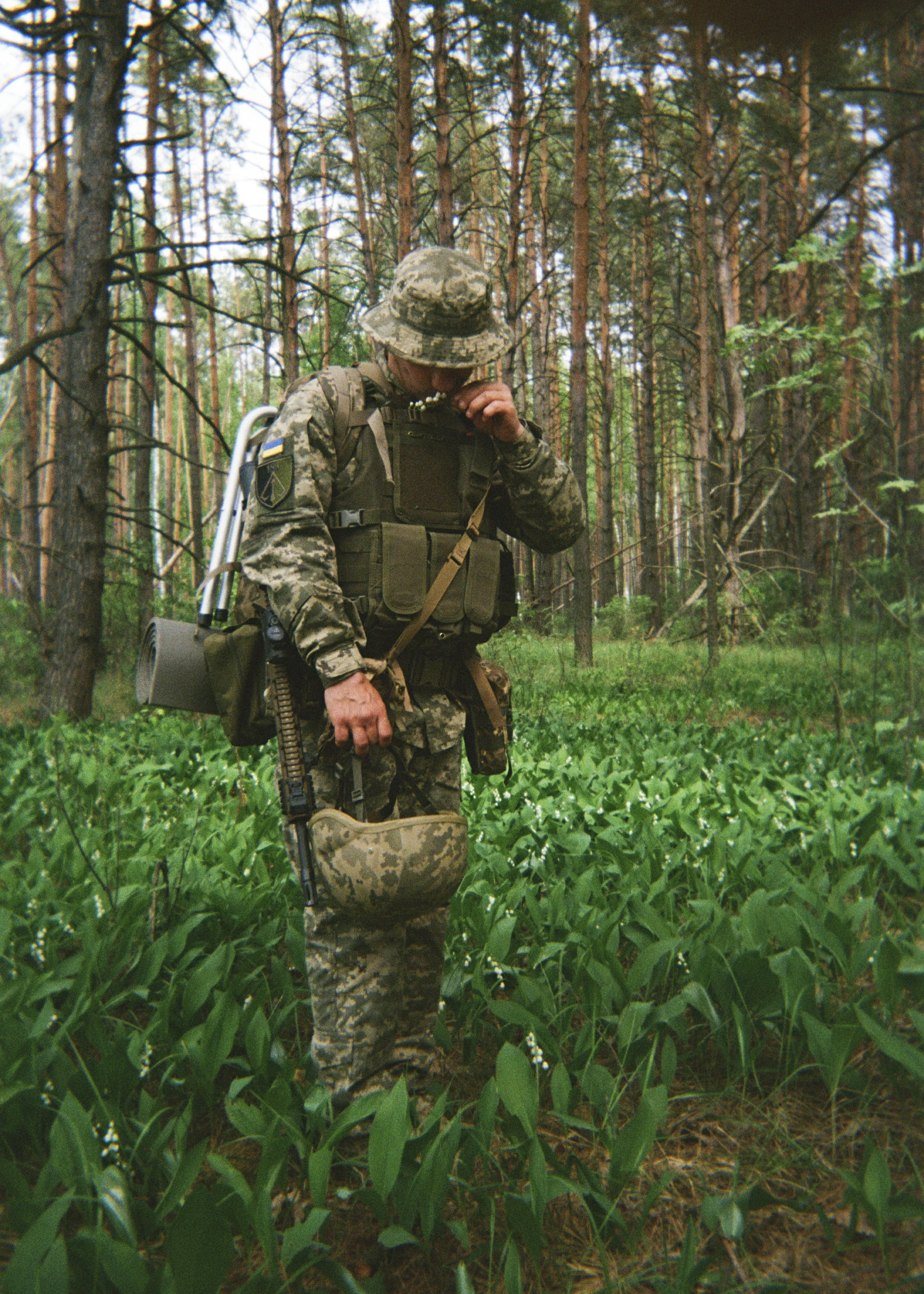
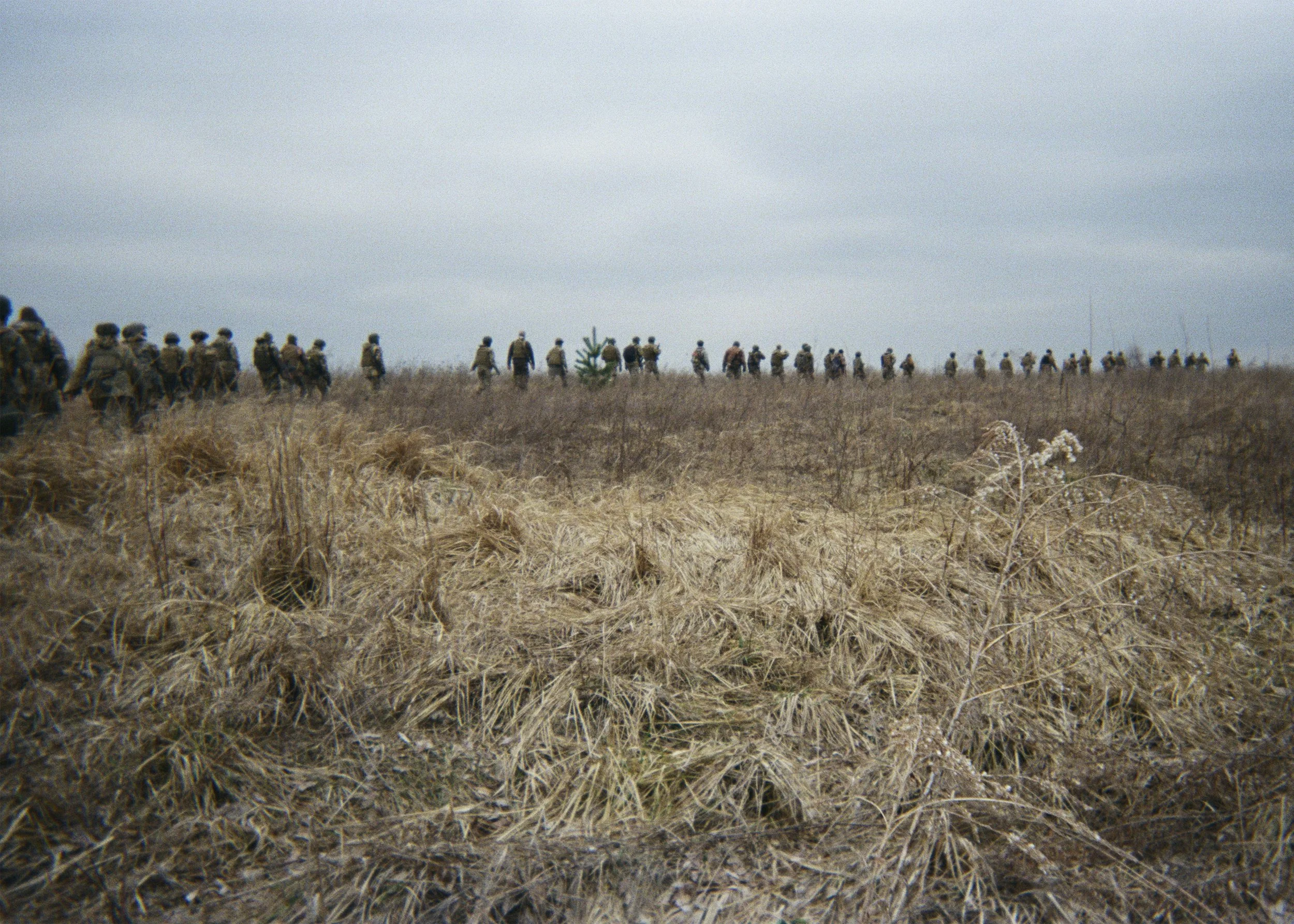
Between February and October 2025, Melnitchenko gave twenty-one Ukrainian soldiers disposable analogue cameras containing twenty-seven frames each. He asked for very little in return: the exposed camera, a letter addressed to him and a personal artefact. He left no instructions on what to snap pictures of. A photographer who had spent years constructing images chose to give the camera away.
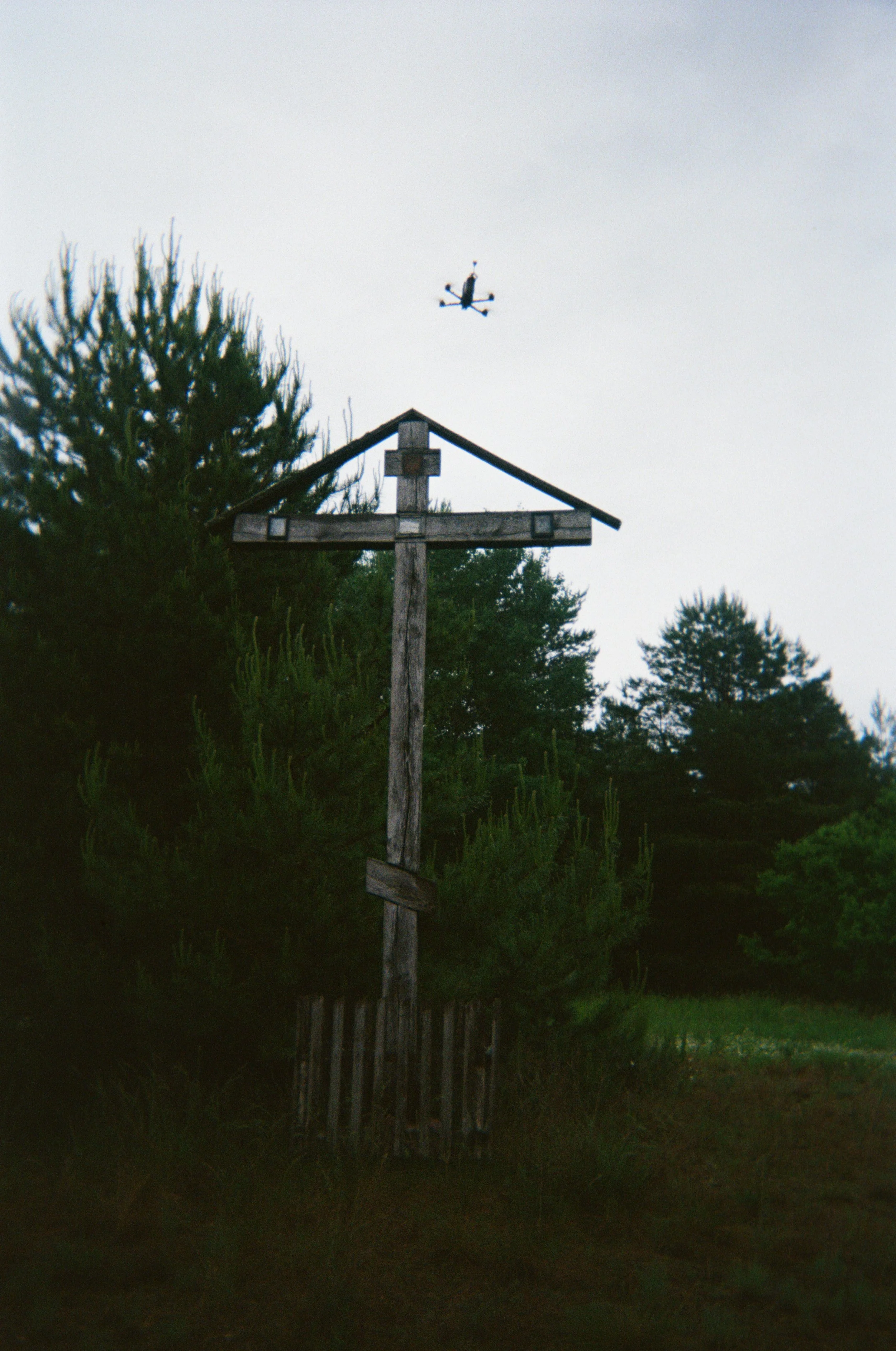
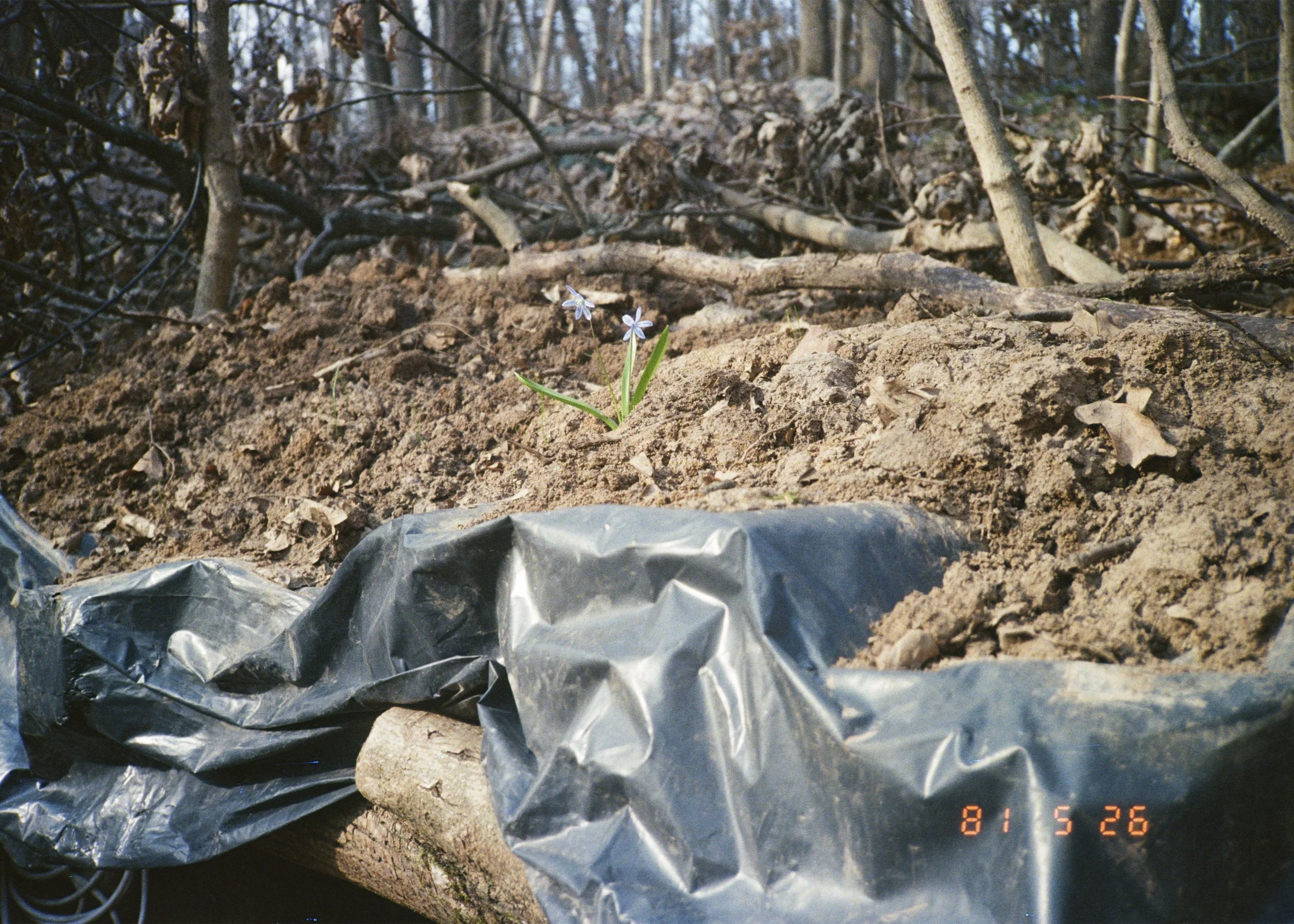
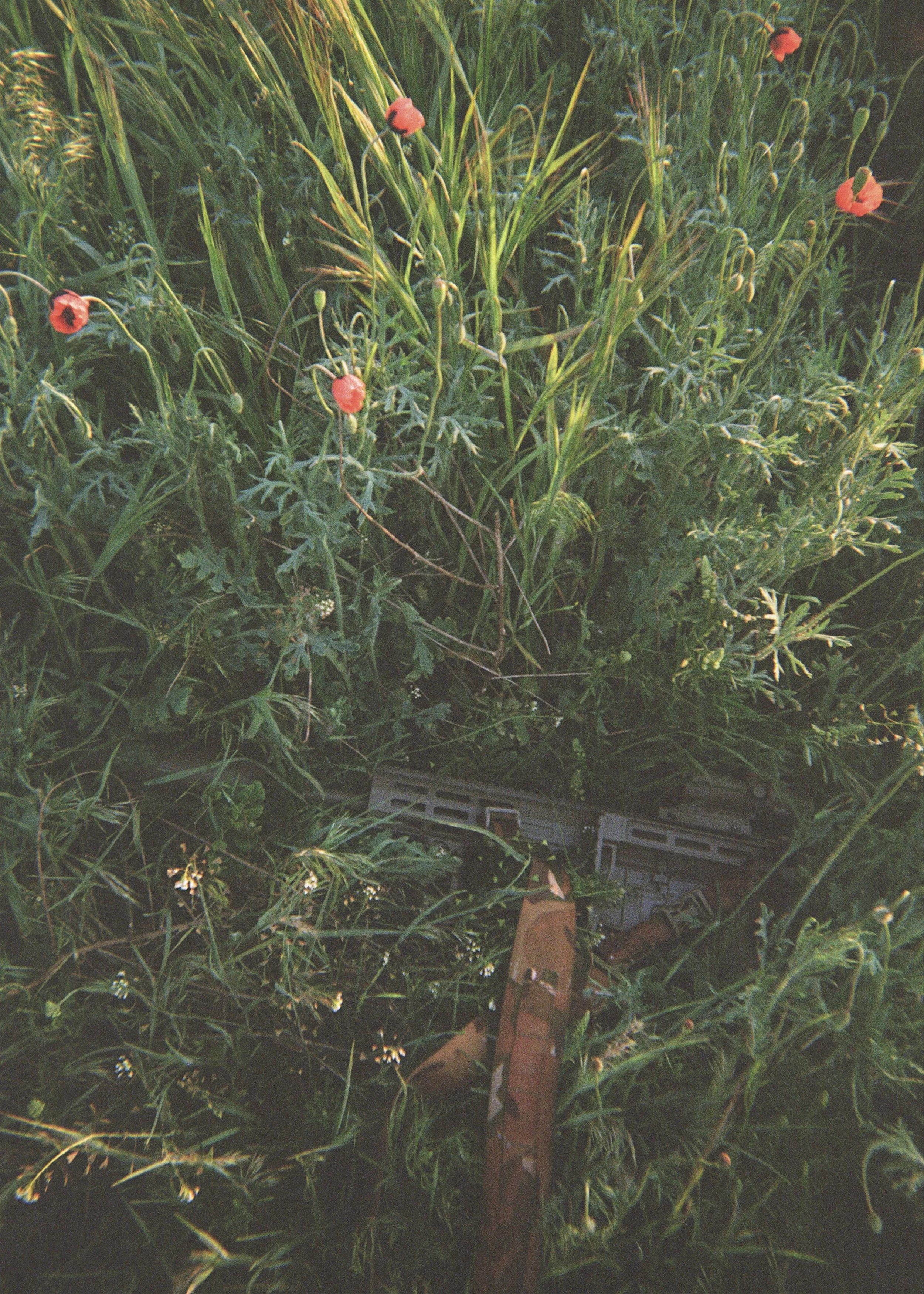
In return, he was flooded with pictures of war, but much more intimate ones than your regular newsstand report photography. They contained animals, friends, landscapes, flowers, strange objects and fragments of everyday life. They contain the things a person notices when, amid everything else, they still have the capacity to notice.
I spoke with Sergii about giving up authorship, twenty-seven frames, the people behind the photographs and his hope that one day Frontline Rolls might become something much larger: an archive created through the eyes of those who have been holding the sky on their shoulders for all these years.
Before the full-scale invasion, you worked primarily with staged photography. How did the war change your artistic language, and how did the project Frontline Rolls come about?
I think every project develops organically. It shapes itself. We often speak through images, symbols and metaphors.Before the full-scale invasion, my work was built around creating fictional worlds through carefully staged photographic series. There are people in those images, but they don’t tell documentary stories. They are constructed photographs with their own narratives, meanings and themes. Through invented scenarios, I explored masculinity, the nude and outer space.The full-scale war changed everything. My photographic language was transformed; it found a new visual form. Even so, I still try to speak through the language of artistic, conceptual photography rather than documentary photography.I do have a documentary project, Popidniprom, but Frontline Rolls is first and foremost a conceptual project. It is built around photographs taken by soldiers, accompanied by their letters and personal artefacts.Many of the photographs in the project do not contain people at all. They depict symbols, objects and urban landscapes. And I believe that through these images, together with the letters and artefacts, it becomes possible to understand the people who made them. They reveal a great deal about each participant.
How did the idea for the project emerge? Why did you choose to work specifically with disposable film cameras?
It was a deliberate artistic decision. From the very beginning, I wanted every photograph to be taken on a disposable film camera.I approached a photography company in Kyiv and invited them to join the project as its technical partner. They embraced the idea, and that, too, became part of the project’s concept.
Each disposable camera contains only 27 exposures. In other words, every soldier received a single roll of film with which to tell their story.It was fascinating to see how differently people responded to that limitation. Some finished the entire camera in a week or two, while others carried it with them for three or four months. They considered every frame carefully, composing each shot to match a particular mood. In the end, the project brought together twenty-one distinct creative approaches within a single framework.
The photographs were taken between February and the end of October 2025.The only thing I asked of the participants was to write me a letter and include a personal artefact. Some began their letters with “Dear Mr Melnitchenko”, others with “Uncle Seriozha”, while some simply wrote, “Hello”. But every letter was addressed to me, because that was one of the project’s central tasks.
In this project, almost all of the photographs were taken by other people rather than by you. Why was it important for you to step away from the role of author?
Not almost all of them — all of them.
The only photographs I took were of the developed rolls of film, the letters and the artefacts once they were back in the studio. But even then, technical perfection wasn’t important to me. The aim was simply to show the objects themselves: their details, their inscriptions. It was more like cataloguing them.
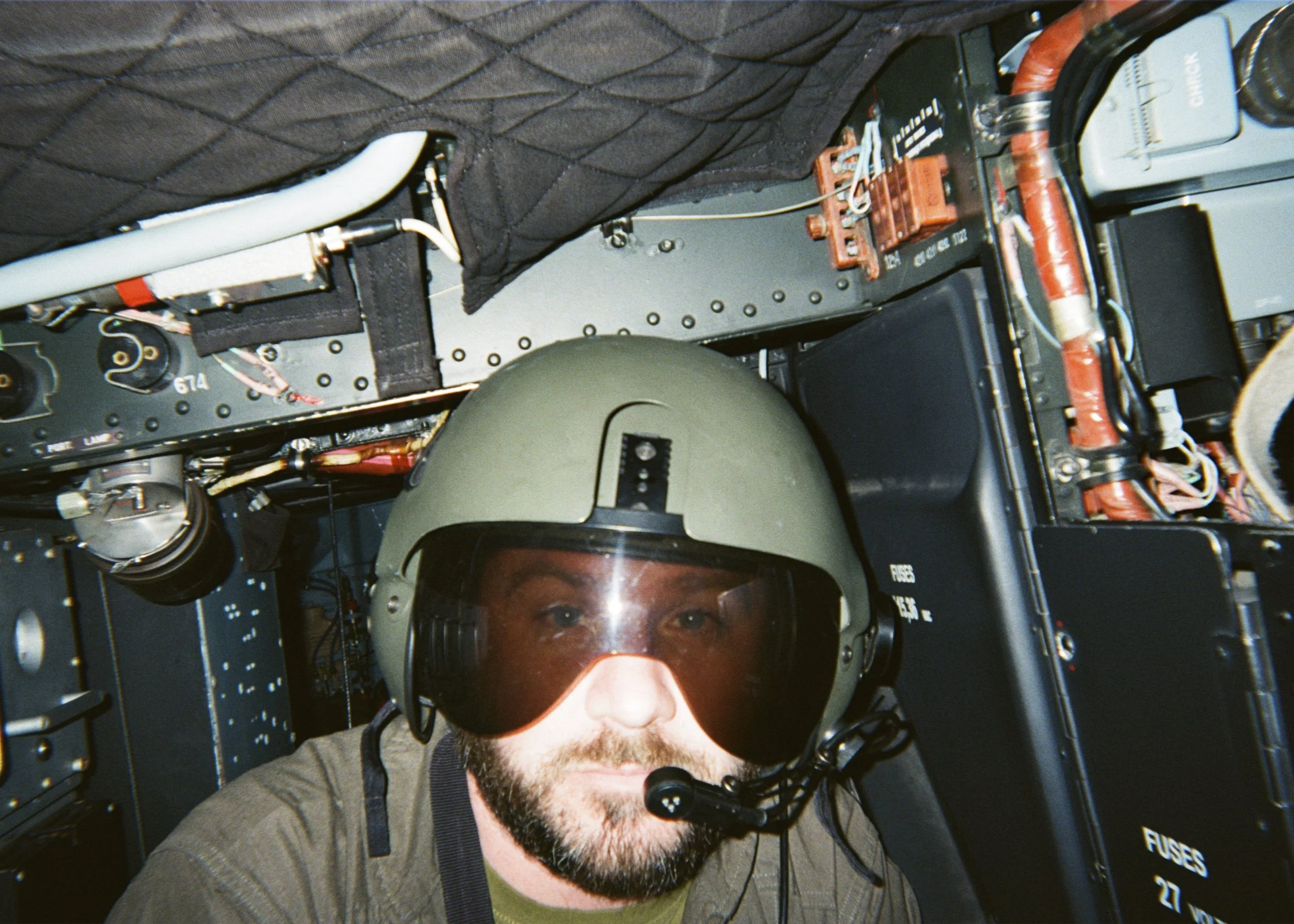
Most of the participants had no connection to photography whatsoever. A few were colleagues of mine or former students who had joined the Defence Forces, but the majority had never been involved in any kind of creative practice.
That was precisely what made the project so compelling. They looked at the world not as photographers, but simply as themselves. Each approached it intuitively, in their own way. As a result, every series turned out completely different.
We spoke a great deal after the project was finished. Some of them thanked me for the experience, saying they had enjoyed learning how to compose an image, to look more attentively at the space around them, to photograph alongside their comrades.
In a way, it became a form of art therapy. During their service, they found time not only to record a moment, but to truly see it.
What happens to the project after the films have been developed?
For me, the project needed not to end once the photographs were finished.
I’ve been volunteering since 2022. Through the sale of my work, charity auctions and various fundraising initiatives, we’ve raised more than five million hryvnias for the Ukrainian military.
Frontline Rolls has now become part of that work as well. Whenever one of the soldiers who participated in the project needs support, we can use the photographs, the books and the artefacts to raise funds.
What I like is how naturally this happens. You simply say, “We need to help the tank crew from this project,” and people respond.
But the most important thing for me is the relationship I’ve built with the soldiers themselves. I’ve stayed in touch with many of them since 2022, and this project has brought us much closer.
There’s one more moment that I especially treasure. When an exhibition opens and one of the soldiers manages to get leave, comes to the exhibition and sees their photographs hanging on the wall. I think that’s the most rewarding moment of the entire project.
Do you see Frontline Rolls as a future archive of the war?
To be honest, I didn’t think about it that way at first.
But as I worked on the project, I realised that this is something I’d really like to develop on an institutional level. Not by distributing twenty-one cameras, but two hundred, five hundred, even a thousand. To create an archive of the war through photographs taken by soldiers themselves.
That would require a major grant and a strong museum or institutional partner. But I think it’s a very exciting direction for the project to grow.
Because at that point it would become more than photography. It would become part of our country’s history.
Archiving this kind of material isn’t particularly difficult. It can all be stored digitally, in the cloud. And when an institution is ready to work with it, the archive can simply be transferred.
To me, this isn’t just important — it’s essential. Any war is a hyperobject, a historical event unfolding over time, something that future generations will study.
The project has already travelled to several countries. How has it been received by international audiences?
The first presentation took place in New York at the end of last year. Then I had a solo exhibition in Copenhagen.
After that, the project was shown in Georgia, and it is currently on view in Athens. Exhibitions are also being prepared in Sweden and Switzerland. And, of course, the project continues to travel across Ukraine.
After the exhibitions, international visitors often come up to me and say, “Thank you for this project. We see the news, we see documentary reports, but we’ve never seen such an honest perspective on life during the war.”
What is the most important thing you hope people see in these photographs?
I hope they see an honest view of life through the eyes of Ukrainian soldiers, and a reminder that no one is born for war.
We’re all the same. The only difference is that, right now, they are paying an unimaginably high price to defend our future and our independence.
When you look at their photographs of flowers, cats and dogs, you realise how deeply they long for an ordinary civilian life.
It’s also very important not to romanticise soldiers. We often turn them into heroes to such an extent that we begin to imagine they were somehow made for war. But that’s simply not true.
In fact, these photographs are full of poetry.